Wednesday, 13 September 2023

Main Themes Of "Justice" By John Galsworthy

Themes of Justice ⚖️ by John  Galsworthy
The main themes of "Justice" by John Galsworthy include:

1. **The Flaws of the Legal System:** The play critically examines the shortcomings and limitations of the legal system, highlighting its rigid adherence to rules and procedures at the expense of compassion and understanding.

2. **Morality and Ethics:** Galsworthy explores the moral dilemmas faced by the characters, particularly the protagonist, William Falder. The play raises questions about what is morally right or wrong, and whether the legal system always aligns with ethical principles.

3. **Social Injustice:** The story delves into issues of social inequality and injustice, portraying how individuals from disadvantaged backgrounds can be pushed into criminal activities due to their circumstances. It underscores the societal factors that contribute to crime.

4. **Redemption and Transformation:** Redemption is a central theme as Falder seeks to reform himself while in prison. The play explores the possibility of personal growth and transformation, even for those who have committed crimes.

5. **Compassion and Forgiveness:** "Justice" advocates for compassion within the legal system and in society as a whole. It emphasizes the importance of understanding and forgiveness, even when dealing with individuals who have erred.

6. **The Impact of Love and Desire:** Love and desire, particularly in the character of Ruth Honeywill, play a significant role in the plot. These emotions drive characters to make difficult choices and raise questions about the power of passion.

7. **Prison Life:** The play provides a glimpse into the harsh realities of prison life and the treatment of inmates. It highlights the dehumanizing aspects of incarceration and its impact on individuals.

8. **Legal Reform:** "Justice" indirectly advocates for reform within the legal system. It suggests that the legal system should be more flexible and compassionate, taking into account the unique circumstances of each case.

9. **Individual vs. Society:** The conflict between individual rights and societal norms is a recurring theme. It explores the tension between personal desires and societal expectations, particularly in the context of class and gender.

10. **Desperation and Vulnerability:** The play portrays the desperation and vulnerability of individuals like Falder, who feel trapped by their circumstances. It underscores the pressures that can lead someone to commit a crime.

These themes collectively contribute to the depth and complexity of "Justice" by John Galsworthy, making it a thought-provoking exploration of the legal system, morality, and the human condition.

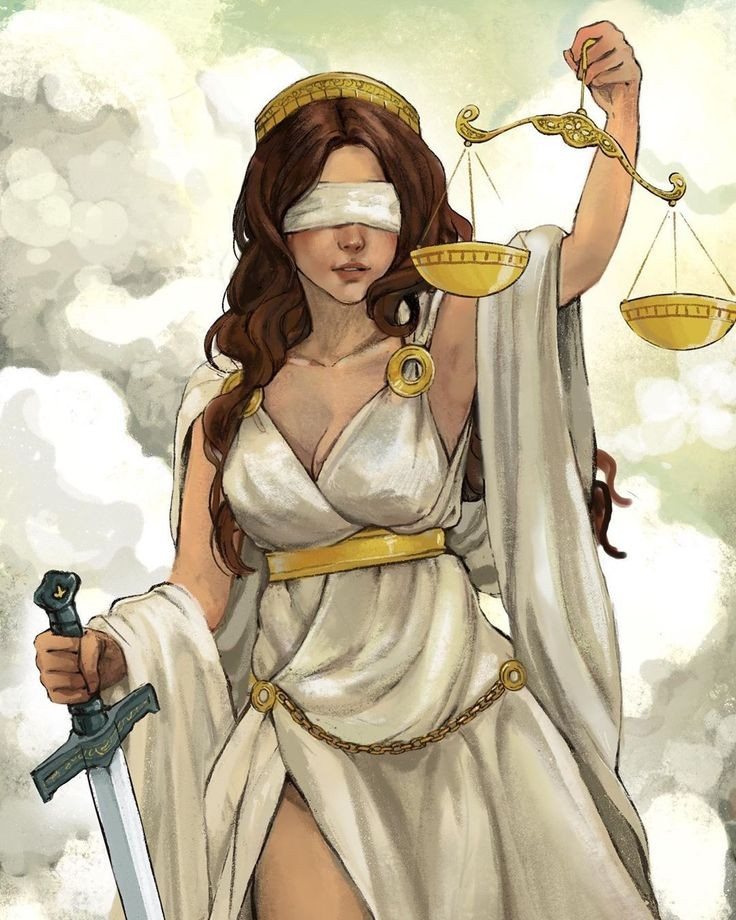
"Justice" By John Galsworthy Critical Appreciation

Critical Appreciation of "Justice"⚖️ By John Galsworthy 
Critical appreciation of John Galsworthy's "Justice" presented in points, with lines of a poem included:

1. **Introduction**
   - "Justice," written by John Galsworthy in 1910, is a thought-provoking play that delves into the themes of the legal system, social justice, and morality.
   - Galsworthy's work is a reflection on the flaws and complexities of the justice system in early 20th-century England.

2. **Character of Falder**
   - The protagonist, William Falder, is a sympathetic character whose predicament drives the narrative.
   - Falder's vulnerability and desperation are captured by the poem line: "He only earns his freedom and existence."

3. **The Legal System**
   - Galsworthy offers a critical view of the legal system, highlighting its rigid and dehumanizing nature.
   - The poem line "The cold machine of justice, grinding slow" aptly describes the bureaucratic nature of the legal proceedings.

4. **The Trial**
   - The trial of William Falder is a central focus of the play, where the legal system's flaws become evident.
   - The poem line "The letter of the law" underscores the inflexibility of the system, prioritizing rules over compassion.

5. **Culpability and Punishment**
   - The play raises questions about culpability and punishment, as Falder's actions are not malicious but driven by desperation.
   - The poem line "The black and white of justice" alludes to the stark contrast between right and wrong, ignoring the complexities of human motives.

6. **Ruth Honeywill**
   - The character of Ruth Honeywill, who seduces Falder, adds depth to the exploration of morality.
   - Her complexity is conveyed by the line "The world is wider than a world of right and wrong."

7. **The Theme of Forgiveness**
   - Galsworthy challenges the conventional notions of justice by introducing the theme of forgiveness.
   - The poem line "Mercy seasons justice" highlights the need for compassion within a rigid system.

8. **Prison and Punishment**
   - The portrayal of life in prison and the treatment of prisoners reflects the harsh realities of the penal system.
   - The poem line "Stone walls do not a prison make" emphasizes the emotional and psychological toll of incarceration.

9. **Falder's Redemption**
   - Falder's journey towards redemption and self-realization is a central theme.
   - The poem line "And all may be well" suggests the possibility of transformation and hope.
10. **Social Commentary**
    - "Justice" serves as a commentary on the societal factors that push individuals like Falder to commit crimes.
    - Galsworthy critiques the lack of support systems for those on the margins of society.

11. **Legal Reform**
    - The play indirectly advocates for legal reform and a more compassionate approach to justice.
    - The poem line "Justice is conscience" underscores the idea that justice should be guided by a moral compass.

12. **Criticism and Controversy**
    - "Justice" was met with controversy upon its release due to its daring portrayal of the legal system and societal norms.
    - Galsworthy's critique of the justice system sparked discussions about the need for reform.

13. **Legacy**
    - John Galsworthy's "Justice" remains a relevant and thought-provoking work that continues to resonate with audiences.
    - It serves as a reminder of the complexities of justice and the moral dilemmas inherent in legal systems.

14. **Conclusion**
    - "Justice" by John Galsworthy is a powerful exploration of the legal system, morality, and the human condition.
    - Through the character of William Falder and the intricacies of the trial, Galsworthy challenges our understanding of justice and invites us to reflect on the flaws within the system.
    - The poem lines woven into the narrative add depth and resonance to the play's themes, emphasizing the need for compassion and reform within the pursuit of justice.
In conclusion, "Justice" remains a thought-provoking work that encourages us to question the rigidity of legal systems and the broader concept of justice in society. John Galsworthy's exploration of morality, forgiveness, and redemption continues to be relevant, reminding us of the importance of compassion within the pursuit of justice.

Themes of "The Doll's House" By Henrik Ibsen

Themes of "The Doll's House" By Henrik Ibsen
"A Doll's House" by Henrik Ibsen is a timeless play that explores several themes, including the role of women in society, the consequences of deceit and societal expectations. Here is a 700-word summary of its main themes, along with lines of a poem to capture the essence of each theme:

**1. Gender Roles and Women's Liberation:**
   - The play challenges the traditional gender roles of the 19th century.
   - Lines of a poem: "She lived as a doll, imprisoned by her fate, until she dared to shatter the gilded cage."

**2. Deception and Secrecy:**
   - Characters engage in deception, leading to complex webs of lies.
   - Lines of a poem: "In the shadows, secrets hide, but truth shall always be our guide."

**3. Social Expectations:**
   - Characters are pressured to conform to societal norms.
   - Lines of a poem: "Bound by society's decree, they yearned to break free and simply be."

**4. The Quest for Identity:**
   - The protagonist, Nora, searches for her true self beyond societal roles.
   - Lines of a poem: "In the labyrinth of life, she sought her identity, cutting through the masks with clarity."

**5. Individualism vs. Conformity:**
   - Nora's journey highlights the tension between individual desires and societal conformity.
   - Lines of a poem: "To blend in or stand alone, that's the choice, the path unknown."

**6. Materialism and Consumerism:**
   - The play critiques a society focused on material wealth.
   - Lines of a poem: "Dollars and cents, they counted and weighed, while hearts and souls in despair were swayed."

**7. Maternal Sacrifice:**
   - Nora's sacrifice as a mother is a central theme.
   - Lines of a poem: "A mother's love, both fierce and tender, her sacrifices, a flame that will never surrender."

**8. Power and Control:**
   - Characters struggle for control within their relationships.
   - Lines of a poem: "In love and strife, they grappled and fought, for the reins of power, dearly bought."

**9. Freedom and Independence:**
   - Nora's pursuit of freedom is emblematic of the desire for independence.
   - Lines of a poem: "She spread her wings, a spirit unbound, in search of the freedom she had never found."

**10. Consequences of Choices:**
    - The play illustrates the repercussions of decisions made in secrecy.
    - Lines of a poem: "Choices made in the dark of night echo through life, forever a guiding light."

**11. Marriage and Love:**
    - The play explores the complexities of marriage and love.
    - Lines of a poem: "Two souls entwined, a love once pure, now shattered, searching for a cure."

**12. Awakening and Enlightenment:**
    - Nora's awakening to her own worth drives the narrative.
    - Lines of a poem: "In the depths of despair, she found her light, an awakening, fierce and bright."

**13. Hypocrisy and Morality:**
    - The play exposes societal hypocrisy and moral dilemmas.
    - Lines of a poem: "In the theatre of life, masks worn with grace, but beneath the surface, a hidden face."

**14. The Fragility of Reputation:**
    - Characters guard their reputations at all costs.
    - Lines of a poem: "A reputation fragile as glass, a fortress built to hide the past."

**15. Social Class and Status:**
    - The play examines the impact of social class on characters' lives.
    - Lines of a poem: "In a world divided by walls of class, dreams of equality must amass."

"A Doll's House" is a masterpiece that continues to resonate with audiences, exploring these themes through the compelling story of Nora Helmer's journey from conformity to self-discovery. Henrik Ibsen's exploration of these themes through his characters and their struggles has left an enduring mark on the world of literature and theater.

Critical Appreciation of "A Doll's House" By Henrik Ibsen

Critical Appreciation of "The Doll's House" By Henrik Ibsen


1. **Introduction**
   - "A Doll's House," penned by Henrik Ibsen in 1879, is a seminal work in the realm of modern drama.
   - Ibsen's play explores complex themes of societal norms, gender roles, and personal liberation.
   - In the opening act, Nora Helmer, the protagonist, is introduced as a seemingly carefree and submissive wife, dedicated to her family's welfare.

2. **The Ironic Dollhouse**
   - The title of the play holds a profound irony, symbolizing the constricting societal roles assigned to women.
   - Nora is the "lark," the "squirrel," and the "songbird" within her dollhouse, but she yearns for genuine self-expression.

3. **Conflict of Gender Roles**
   - The play highlights the oppressive gender roles of the time, where women were confined to domesticity and expected to be subservient.
   - This conflict is encapsulated in the poem line: "In the cage I have lived so long."
4. **Nora's Sacrifice**
   - Nora's secret loan and forgery reveal the sacrifices she has made to protect her husband Torvald's fragile ego and their social status.
   - She's willing to endure any hardship to preserve the illusion of a perfect marriage.

5. **The Climax: Nora's Revelation**
   - The play reaches its zenith when Nora decides to reveal her secret to Torvald.
   - This pivotal moment is captured by the line: "My life is a fairy tale, but to be a human being is something quite different."

6. **Torvald's Reaction**
   - Torvald's reaction to Nora's confession is a testament to the social norms of the era.
   - His outburst epitomizes the male-dominated society's inability to comprehend the depth of women's struggles.

7. **Nora's Liberation**
   - Nora's departure from her dollhouse is a proclamation of her quest for self-identity and independence.
   - The poem line "To thyself be true" encapsulates her newfound determination.

 8.**Feminist Play**
   - Ibsen's play is an early example of feminist literature, challenging the patriarchal norms and advocating for women's autonomy.
   - Nora's choice to leave is her declaration of independence from societal expectations.

9. **Krogstad's Redemption**
   - The character of Krogstad, who initially seems villainous, undergoes a transformation as he seeks redemption and reunites with his family.
   - This subplot emphasizes the potential for personal growth and redemption.
10. **Mrs. Linde's Sacrifice**
    - Mrs. Linde's selflessness in rekindling her relationship with Krogstad echoes Nora's sacrifice for her family.
    - Her character serves as a foil to Nora, highlighting different approaches to societal constraints.

11. **Symbolism**
    - The tarantella dance and the fancy dress party symbolize the facade that Nora maintains in her marriage.
    - The "miracle" Tarantella also symbolizes the expectation of women to perform and entertain.

12. **The Door Slam Heard Round the World**
    - The iconic door slam in the play's closing scene symbolizes Nora's abrupt departure from her old life.
    - This resonates as a powerful statement of rebellion against societal norms.

13. **Criticism and Controversy**
    - "A Doll's House" faced criticism upon its release for challenging the norms of the time.
    - Ibsen's daring portrayal of women's issues sparked debates and discussions that continue to this day.

14. **Legacy**
    - The play's impact on literature and theater is undeniable, inspiring countless adaptations and discussions on gender roles and societal expectations.
    - Ibsen's work paved the way for feminist literature and modern drama.

15. **Conclusion**
    - Henrik Ibsen's "A Doll's House" is a timeless masterpiece that continues to resonate with audiences worldwide.
    - Through Nora's journey, the play questions the stifling gender roles and societal expectations of its era.
    - It reminds us that true liberation often requires breaking free from the confines of our own dollhouses, as encapsulated in the lines: "To thyself be true, And it must follow, as the night the day, Thou canst not then be false to any man."

In conclusion, "A Doll's House" remains a seminal work of literature that continues to captivate and provoke thought, shedding light on the enduring struggles of individuals against societal constraints. Henrik Ibsen's exploration of gender roles, personal liberation, and societal expectations continues to be relevant in the modern world.

Summary Of "The Lady's Not For Burning" By Christopher Fry


"The Lady is Not for Burning" by Christopher Fry is a play set in a medieval town and unfolds over a single day. It's a story that combines elements of romantic comedy and political satire, all wrapped up in poetic and witty dialogue.

The play opens with Thomas Mendip, a disillusioned and world-weary soldier, standing before the mayor's house. He is seeking permission to be hanged because he is tired of life's hardships and atrocities. However, the townspeople are reluctant to grant his request. They are already in a state of turmoil due to a series of bizarre events, including accusations of witchcraft.

One such accusation is aimed at a young woman named Jennet Jourdemayne, who is believed to be a witch. She is arrested and faces execution by burning at the stake. Jennet vehemently denies being a witch and maintains her innocence throughout the play.

The mayor of the town, Nicholas Devize, is also infatuated with Jennet and wants to marry her. He hopes that by proving her innocence, he can win her heart. However, his motivations are somewhat selfish, driven by his desire to possess her.

As the story progresses, Thomas and Jennet cross paths outside the mayor's house. Thomas, despite his own despair, becomes intrigued by Jennet's plight and her insistence on her innocence. The two engage in a series of poetic and philosophical conversations that delve into the meaning of life, love, and human suffering. Their interactions create a unique bond, and they find solace in each other's company.

Meanwhile, the townspeople, including a bumbling and comical constable named Tappercoom, investigate the accusations of witchcraft. They are joined by a witty and intelligent chaplain named Parson, who provides a satirical perspective on the church and its role in society. Parson's character serves as a voice of reason and skepticism amidst the superstitions of the time.

As the day unfolds, the townspeople discover that many of their beliefs and assumptions are based on ignorance and fear. They begin to question their actions and motives. The mayor, too, undergoes a transformation as he realizes the depth of his feelings for Jennet and the true nature of love.
In a dramatic turn of events, it is revealed that the accusations against Jennet were false, and she is indeed innocent. This revelation leads to a joyful and celebratory ending, as the townspeople come to recognize the value of life and the beauty of love. Thomas, who initially wanted to die, chooses to live and pursue a future with Jennet.

"The Lady is Not for Burning" is a play that explores profound themes of despair, love, and the human condition. It uses eloquent language and clever dialogue to convey its messages. Ultimately, it suggests that even in the darkest of times, there is room for hope, love, and the possibility of redemption. The characters' journeys of self-discovery and transformation make it a timeless and thought-provoking piece of literature.


William Wordsworth - Tintern Abbey

All About William Wordsworth Tintern Abbey

William Wordsworth's "Lines Composed a Few Miles Above Tintern Abbey" is a lyrical and reflective poem written in 1798. It is considered one of the quintessential works of Romantic poetry and is celebrated for its profound exploration of nature, memory, and the passage of time. In this 500-word exploration, we'll delve into the poem's themes, structure, and its enduring significance.

**1. The Setting:** The poem is set along the banks of the River Wye in the Wye Valley near Tintern Abbey, a ruined Cistercian monastery. Wordsworth revisits this location five years after his first visit, providing the poem with its autobiographical nature.

**2. Nature's Influence:** A central theme of the poem is the powerful and positive influence of nature on the human spirit. Wordsworth describes the natural scenery in vivid detail, celebrating its ability to soothe and uplift the soul. He sees nature as a teacher and a source of solace, calling it the "anchor of my purest thoughts."

**3. Memory and Reflection:** Wordsworth reflects on how his previous visit to this place has affected him. He acknowledges that even in his absence, the memory of the landscape has continued to shape his thoughts and feelings. This theme underscores the idea that nature's impact endures in the human psyche.
**4. The Five Years' Difference:** Wordsworth emphasizes that five years have passed since his last visit, highlighting the transformative power of time. He was a young man when he first visited, and he now views the landscape with the perspective of experience and maturity.

**5. The Recollection of Youth:** Wordsworth speaks about the influence of this landscape on his younger sister, Dorothy, who was with him during the first visit. He suggests that the memories of the landscape have helped sustain her spirit during his absence. This demonstrates the communal and unifying effect of nature.

**6. The Poet's Relationship with Nature:** Wordsworth emphasizes that nature has not only been a source of pleasure but also a moral influence, making him more attuned to the moral dimensions of life.

**7. The Role of Imagination:** The poem underscores the importance of the imagination in how we perceive and interact with the world. Wordsworth's imagination, influenced by the memory of the landscape, continues to shape his thoughts and feelings.

**8. The Present Moment:** While reflecting on the past, Wordsworth also addresses the present moment. He expresses gratitude for the beauty of the landscape before him and the serenity it brings to his soul.

**9. The Conclusion:** The poem concludes with Wordsworth acknowledging that he draws strength and comfort from both the memories of the past and the present experience of nature. He expresses the hope that the memory of this place will continue to guide him in the future.

**10. Legacy and Influence:** "Tintern Abbey" has left an indelible mark on the literary world. It is often cited as one of the key poems of the Romantic era and is studied for its profound exploration of the relationship between nature, memory, and the human spirit. It has influenced countless poets and thinkers and remains a testament to Wordsworth's enduring legacy.

In summary, "Lines Composed a Few Miles Above Tintern Abbey" by William Wordsworth is a poetic masterpiece that celebrates the enduring power of nature, memory, and reflection. Its themes of communion with nature, the passage of time, and the role of memory in shaping our lives continue to resonate with readers and make it a timeless work of literature. Wordsworth's exquisite language and deep introspection ensure that this poem remains a cherished part of the literary canon.
=* Tintern Abbey was published in Lyrical Ballad in 1798.
=* This Lyrical Ballad consist of 28 poems #    28 Poems 
  • 19 by William Wordsworth
  •  4 by Samuel Taylor Coleridge(S.L.Coleridge)
=*First poem in this Lyrical Ballad was -
   "The Rime of the Ancient Mariner"
=*Last poem in this Lyrical Ballad
              "Tinetern  Abbey"
=*Lines written or composed a Few Miles above Tintern Abbey on revisiting the banks of the Eye during a tour ,July 13, 1798

BIOGRAPHY OF WILLIAM WORDSWORTH(1770-1850)


                       BIO OF WILLIAM WORDSWORTH


William Wordsworth (1770-1850) was an influential English Poet renowned for his role in the Romantic Movement .Born in Cockermouth, England, Wordsworth developed a deep appreciation for nature growing up in the picturesque Lake District. He attended Cambridge University where he fostered his love for poetry. His journey to France during the French Revolution shaped his political and philosophical views.


William Wordsworth notable achievement was the joint publication of "Lyrical Ballads" in 1798, co-authored with Samuel Taylor Coleridge. This collection revolutionized English Poetry, introducing a new style that emphasized everyday language and themes derived from nature and ordinary life. It became a manifesto for the Romantic Movement.


His most renowned work, "The Prelude", a long autobiographical poem was published post humously in 1850. It explores William Wordsworth personal experiences, spiritual growth and development as a poet, making it a significant contribution to English Literature. William Wordsworth poetry centered around the beauty of nature and the profound emotions and experiences it evoked.

His poetic style emphasized simplicity, clarity, and the use of everyday language, departing from the ornate style of the previous generation. Wordsworth's poems often explored themes of nature, memory, and the power of imagination.

Beyond his literary pursuits, Wordsworth held several government positions throughout his life. In 1843, he was appointed as the Poet Laureate of the United Kingdom, a position he held until his death in 1850.

Wordsworth's legacy in English literature lies in his ability to capture the beauty and spiritual significance of nature and his profound exploration of human emotions and experiences. His poetry continues to be celebrated for its timeless themes and its ability to evoke a sense of wonder and connection to the natural world.

                             7 FAMOUS WORKS OF WILLIAM WORDSWORTH


1. "Tintern Abbey" (1798): This poem, officially titled "Lines Written a Few Miles above Tintern Abbey," is a cornerstone of Wordsworth's poetic legacy. It explores themes of memory, nature, and the transformative power of the landscape. The poem reflects on the narrator's return to the Wye Valley and the lasting impact it has had on his spiritual and imaginative life.


2. "The Prelude" (1850): Considered Wordsworth's magnum opus, "The Prelude" is an autobiographical poem that traces the poet's development from childhood to adulthood. It explores his experiences, emotions, and philosophical reflections, capturing the growth of his poetic sensibilities.


3. "Ode: Intimations of Immortality" (1807): This introspective and philosophical poem contemplates the loss of childhood innocence and the fading sense of connection to a divine and spiritual realm. It explores themes of mortality, memory, and the transient nature of life.


4. "I Wandered Lonely as a Cloud" (1804): Often known simply as "Daffodils," this poem is one of Wordsworth's most popular and widely anthologized works. It celebrates the beauty of nature and the joy that can be found in simple, ordinary moments. The poem vividly depicts a field of daffodils and the lasting impression they leave on the narrator's mind.


5. "Michael" (1800): This narrative poem tells the story of a shepherd named Michael and his son Luke. It delves into themes of rural life, fatherhood, loss, and the profound bond between generations. The poem reflects Wordsworth's belief in the moral and spiritual significance of the natural world and the virtues of a simple existence.


6. "Lines Composed a Few Miles above Tintern Abbey" (1798): This companion poem to "Tintern Abbey" explores similar themes of memory, nature, and the transformative power of the landscape. It reflects on the restorative and comforting influence of nature on the human spirit and the enduring connection between the narrator and the abbey.


7. "The Solitary Reaper" (1807): This poem portrays a solitary female reaper in the Scottish Highlands, singing a melancholic and enchanting song. Wordsworth captures the power of the reaper's song to stir the emotions of the narrator, evoking a sense of wonder and longing. The poem reflects on the transformative and universal nature of music and its ability to transcend language barriers.


                                           ------------------------------------------------------------------          

Summary Of "The Discovery of India" by Jawaharlal Nehru

Summary Of "The Discovery of India" by Jawaharlal Nehru  Summary of "The Discovery of India" by Jawaharlal N...